
MVCC HISTORY
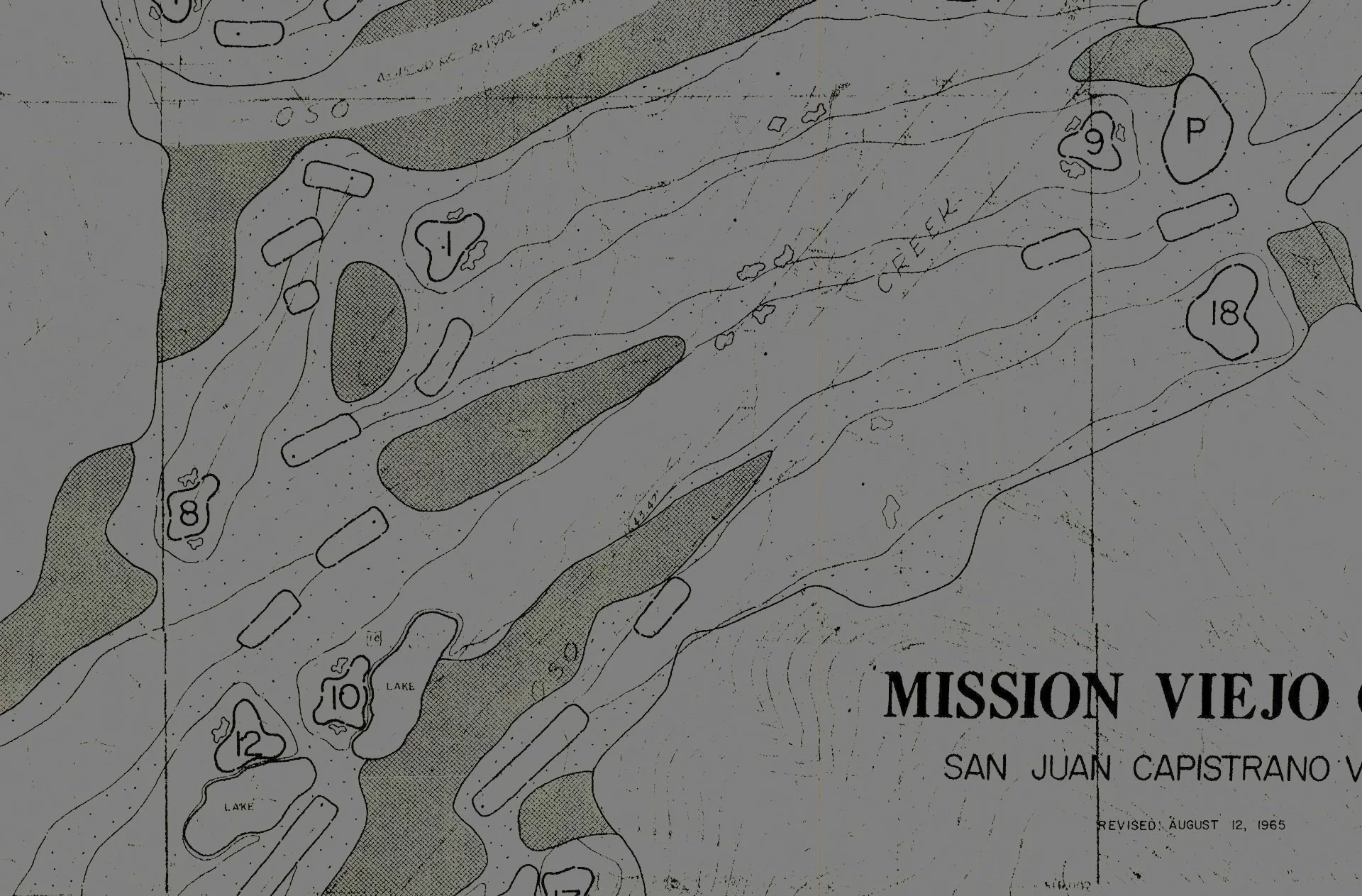
Anyone who has played ‘Mission Impossible’ knows its a stern test of your golf ability. One of the premier private golfing venues in Southern California, Mission Viejo Country Club is the only original RTJ designed and built course in Orange County and has consistently delivered a championship-ready course to its members and guests over its nearly 60 years.
The Early Days
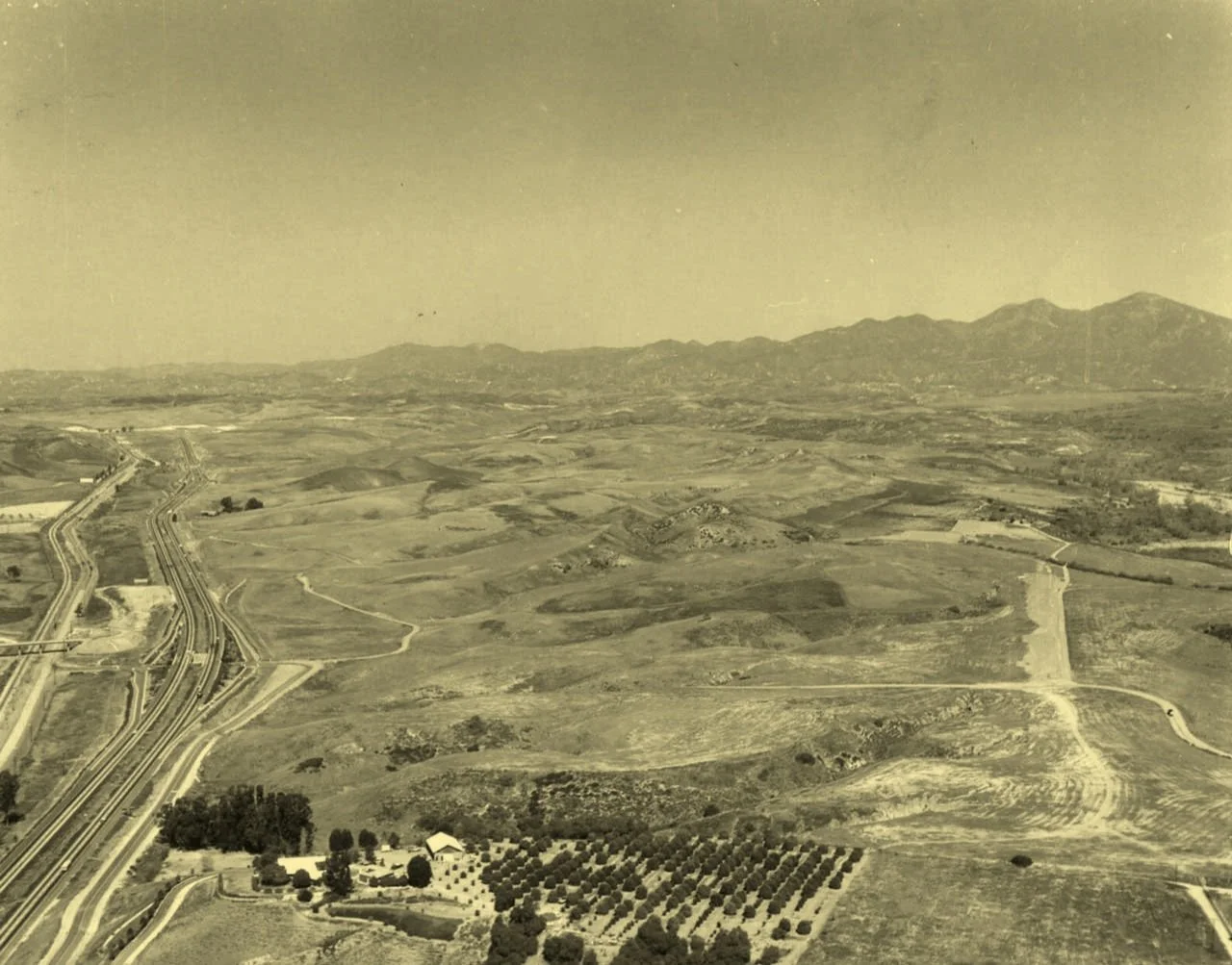
Plans for Mission Viejo Golf Course were finalized in the summer of 1965 on land owned and developed by the Mission Viejo Company. The histories of the golf club and the city of Mission Viejo are closely connected. Established in 1963, the Mission Viejo Company focused on land development, home building, and planning the new community of Mission Viejo. The city’s name pays homage to Rancho Mission Viejo, a large Spanish land grant from which the community originated.
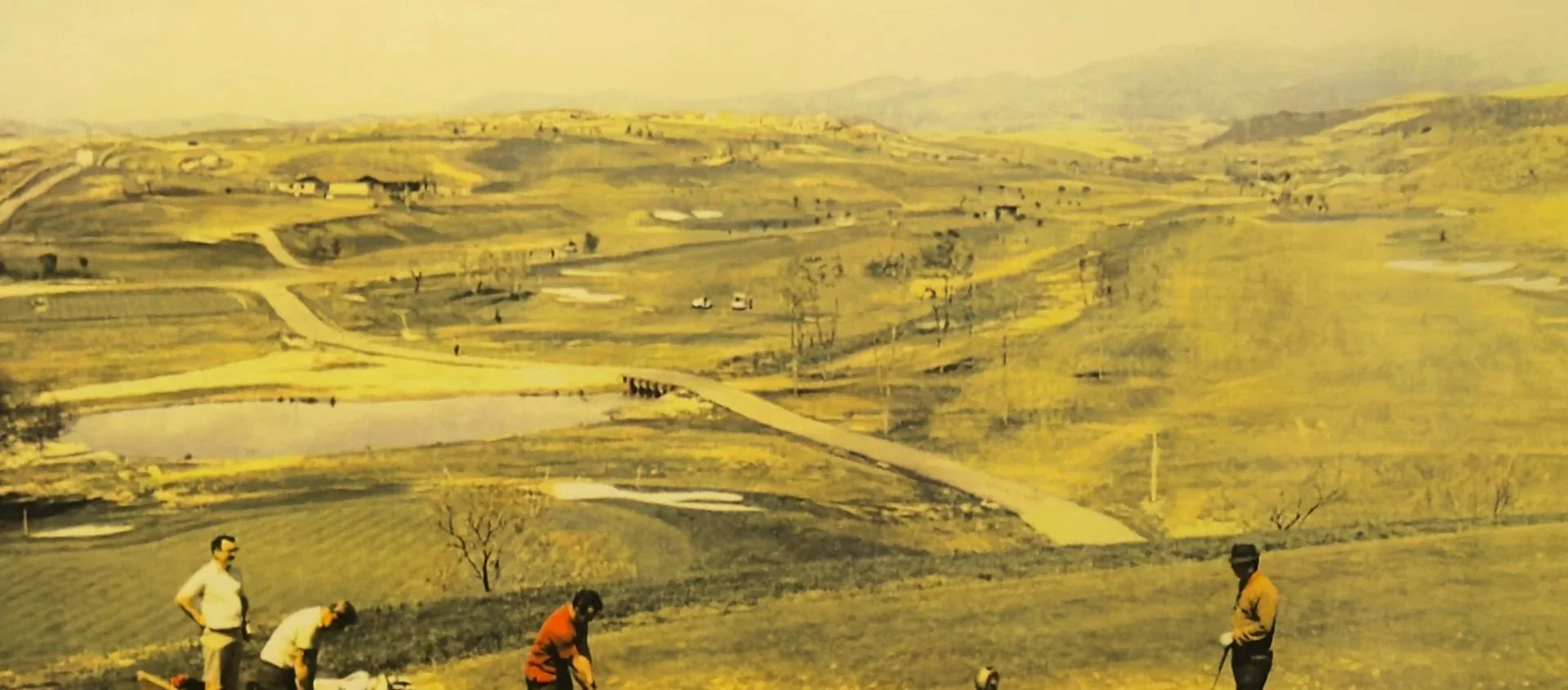
In April 1967, the Mission Viejo Golf Club and Inn opened its 165-acre, 18-hole golf course to much enthusiasm. Serving as the golf hub of the city, the club regularly hosted local tournaments and events, with the Mission Viejo Reporter, the local newspaper covering much of its early years.
Rancho Mission Viejo, 1965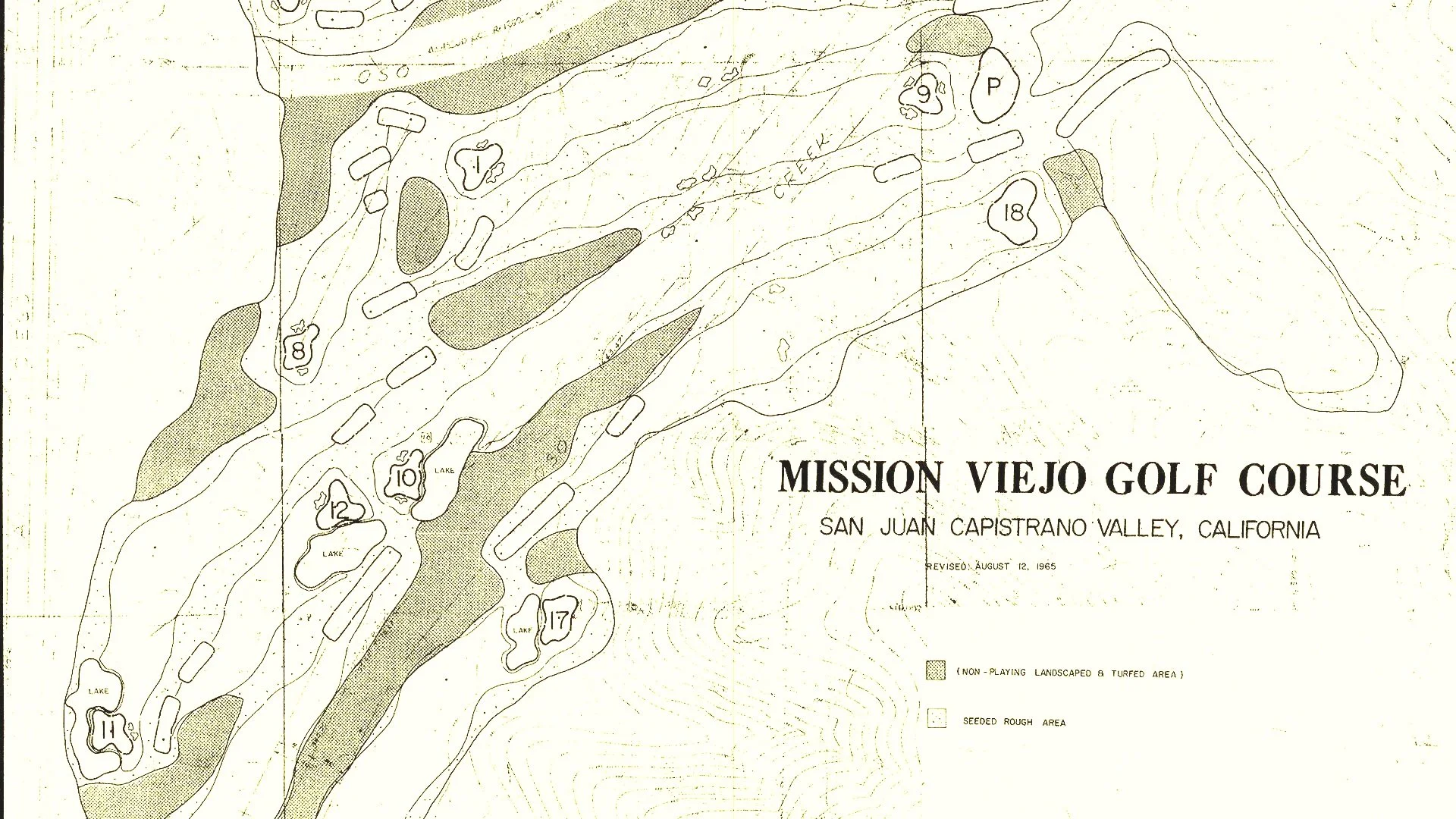

Original MVCC Plans
KEY POINTS:
Plans finalized by RTJ in May 1965
Construction begins in August 1965
Course opens in August 1967
Originally called the ‘Mission Viejo Golf Club and Inn’
The original plan had front and back nine reversed
Hole #3 was designed as a mirror image of RTJ’s redesigned 16th at Augusta National
Hole #4 is said to be the best par 4 in Orange County
Hole #9 Reminiscent of the 18th at Augusta National
The 2001 RTJ Restoration Master Plan changes course to current layout
All green complexes, fairways and bunkers retain the original RTJ specifications
Mission Viejo Country Club is Founded
In December, 1981 Alice and Richard O’Neill signed over the land deeds transferring ownership to the Mission Viejo Country Club Founding Members who were represented by Martin Vukich. Mr. Vukich and the Board went on to make vast improvements to the course and make the club more private. The golf course had been used for years by the city for various events, most famously their 4th of July festivities which took place on what are now the back nine holes. The golf course was in need of care and the Founding Members obliged. Various improvements were made but fortunately nothing dramatic was done to alter the golf course. Throughout the 80s and 90s the club would flourish and become an icon in local golf lore. In those days, the club had actual caddies, offering local youngsters a great opportunity to get out on the course, make a little money, and even get to play a round on Tuesdays.
MVCC and Water Conservation
MVCC is one of the first and largest recycled water customers served by the Moulton Niguel Water District and has been a pioneer and partner in water reuse programs and water use efficiency since the late 1960s. Over the past five decades, MVCC has successfully implemented a Turf Removal Program that not only reduces water consumption by an estimated 10 million gallons per year, but included the introduction of drought-tolerant and native vegetation that protects the environment and the golf course.
The club has invested in a sophisticated irrigation delivery system that allows water management choices with multiple mutual benefits, and has created an environment that serves as a significant, natural open space bio-filter for water quality runoff mitigation that provide both direct and indirect benefits to the watershed and water quality.
Source: Moulton Niguel Water District
The RTJ Restoration Master Plan
Plans were unveiled in early 2001 for a complete update and rethink at MVCC focusing on integrating the new clubhouse and golf course. Under the direction of Bruce Charlton of Robert Trent Jones Golf Design Company, the course was restored to its grand original design from 1967. The renovation was completed in 2009.
The most obvious ‘change’ was flipping the front and back nine holes. Genius really, in that it now provided better access to the new clubhouse while improving traffic flow and pace of play. Players coming off the ninth hole could now stop at the grill or locker room on their way to the tenth.
Design and features:
Runway-style teeing grounds: Long, rectangular tee boxes were added on several holes, creating a visually striking feature that also provides more tee marker options.
Expansion of the third hole: The lake on the signature par-3 third hole was expanded to a stunning 2.2 million gallons.
Movement of the fifth green: The fifth green was moved back 61 yards to its original 1967 position.
Fairway adjustments: Some fairway landing areas were moved to accommodate advances in golf technology.
Bunkering: Bunkers were added back to the course to original specifications.
In addition, the driving range and practice areas were expanded and improved as well as the Pro Shop which was now on the ground floor next to the putting green. A new 30,000 square foot, Mediterranean style clubhouse replaced the old, functionally obsolete building, The new clubhouse includes a two-story lobby, a large bar, grille, and a banquet hall. Views of the golf course were improved by raising the floor elevation of the building and utilizing arches throughout.

MVCC ARCHIVE
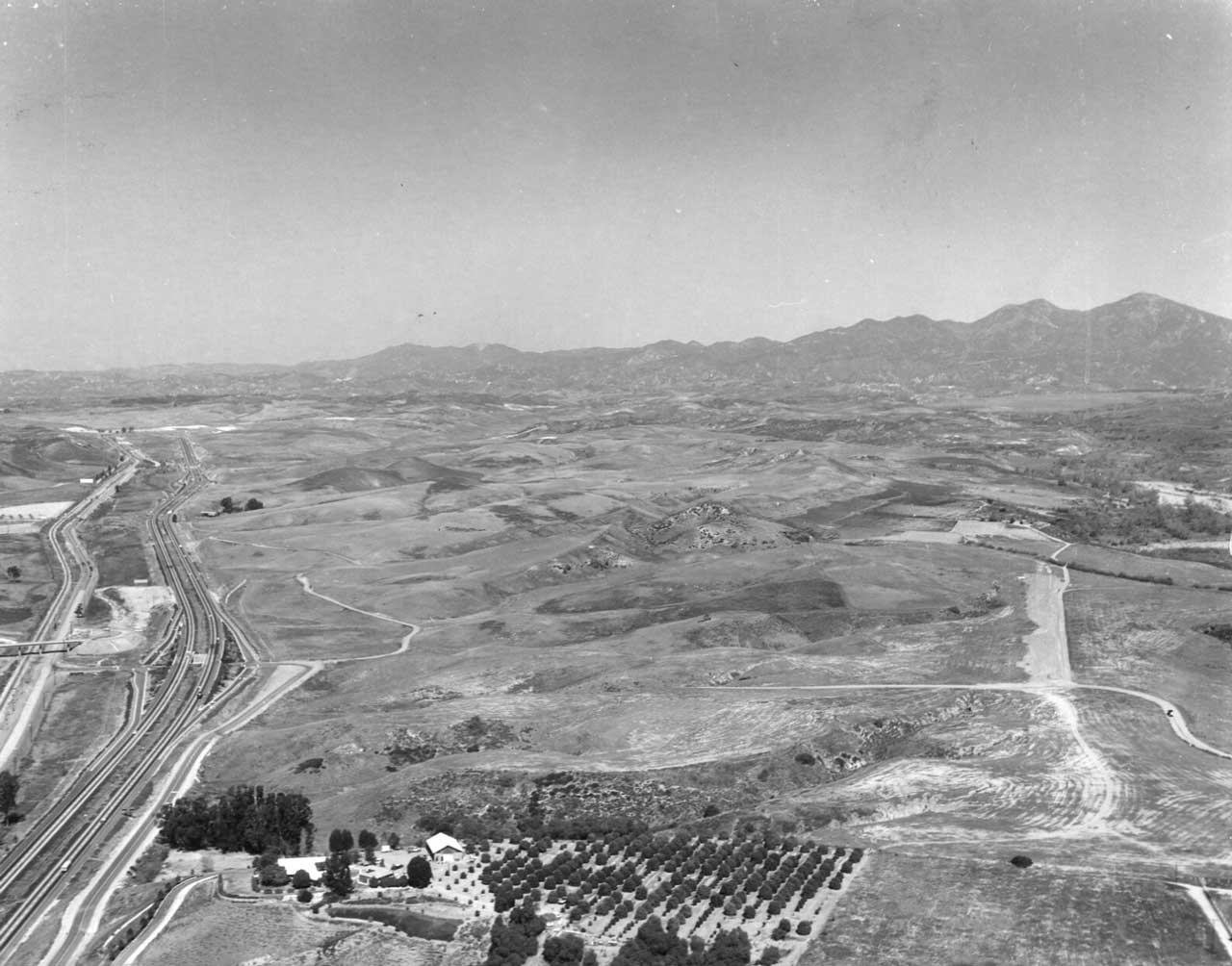
1965 Site of Mission Viejo Golf Club
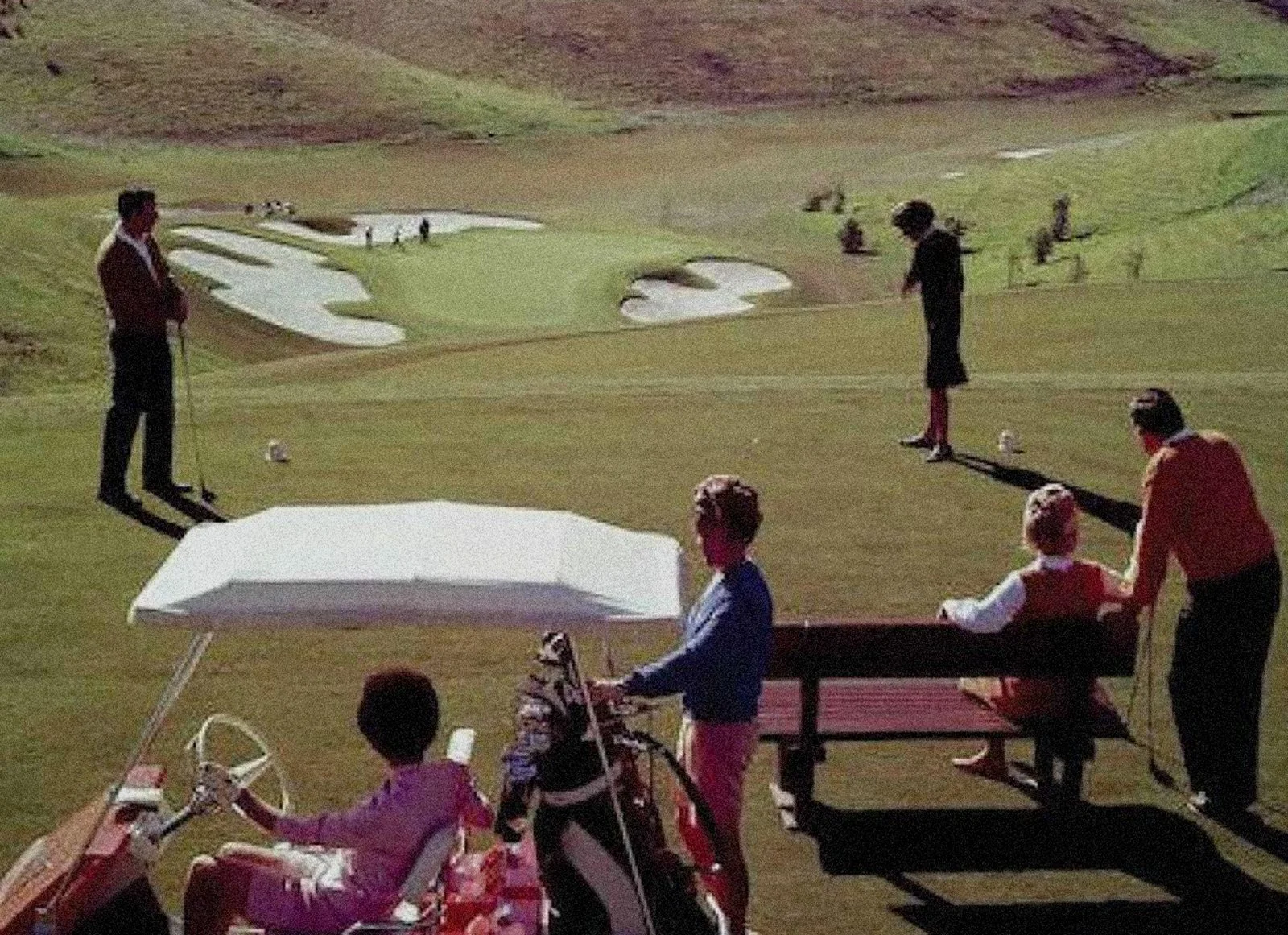
1967 Hole six, originally number fifteen
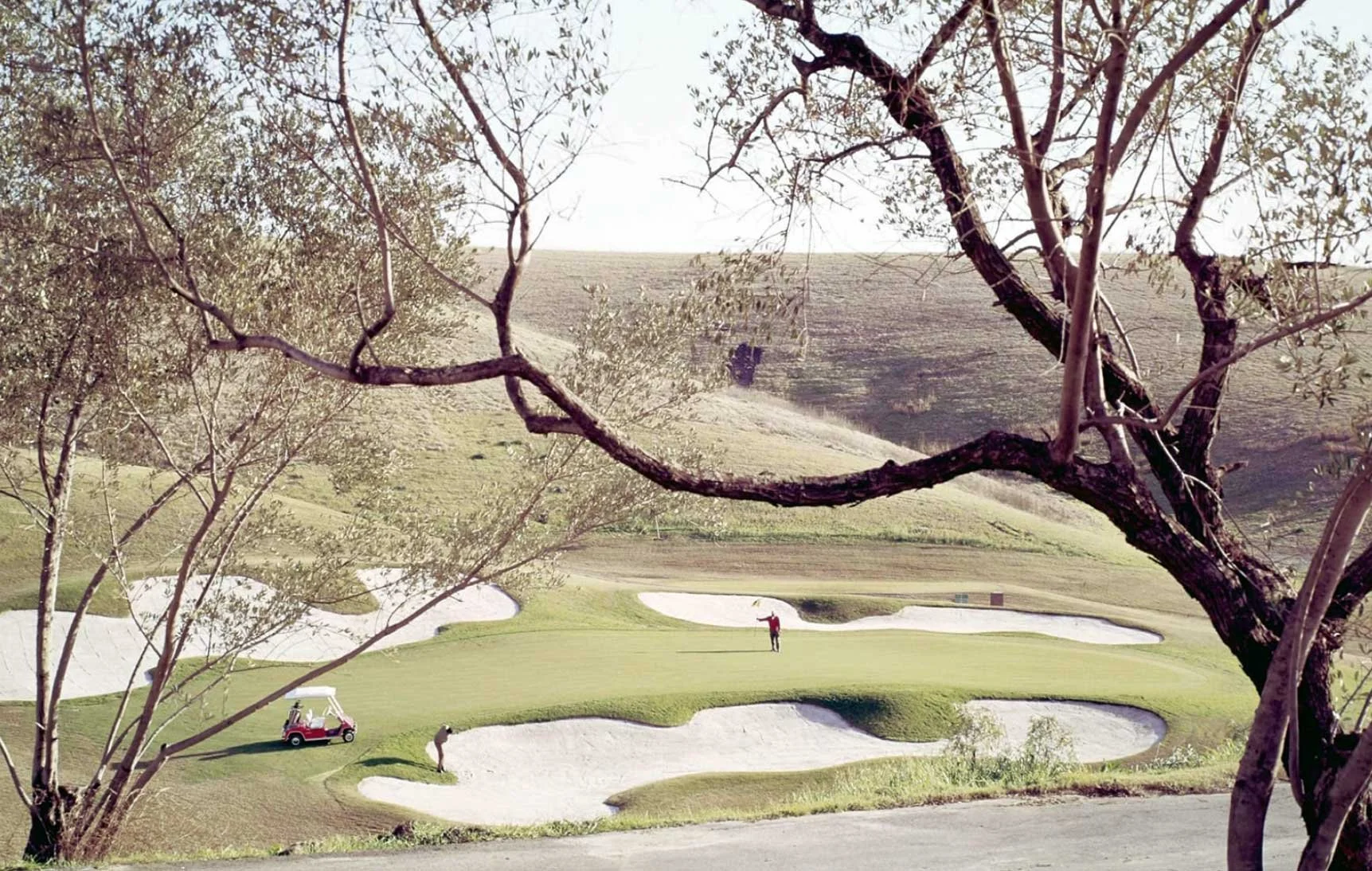
1967 Hole six
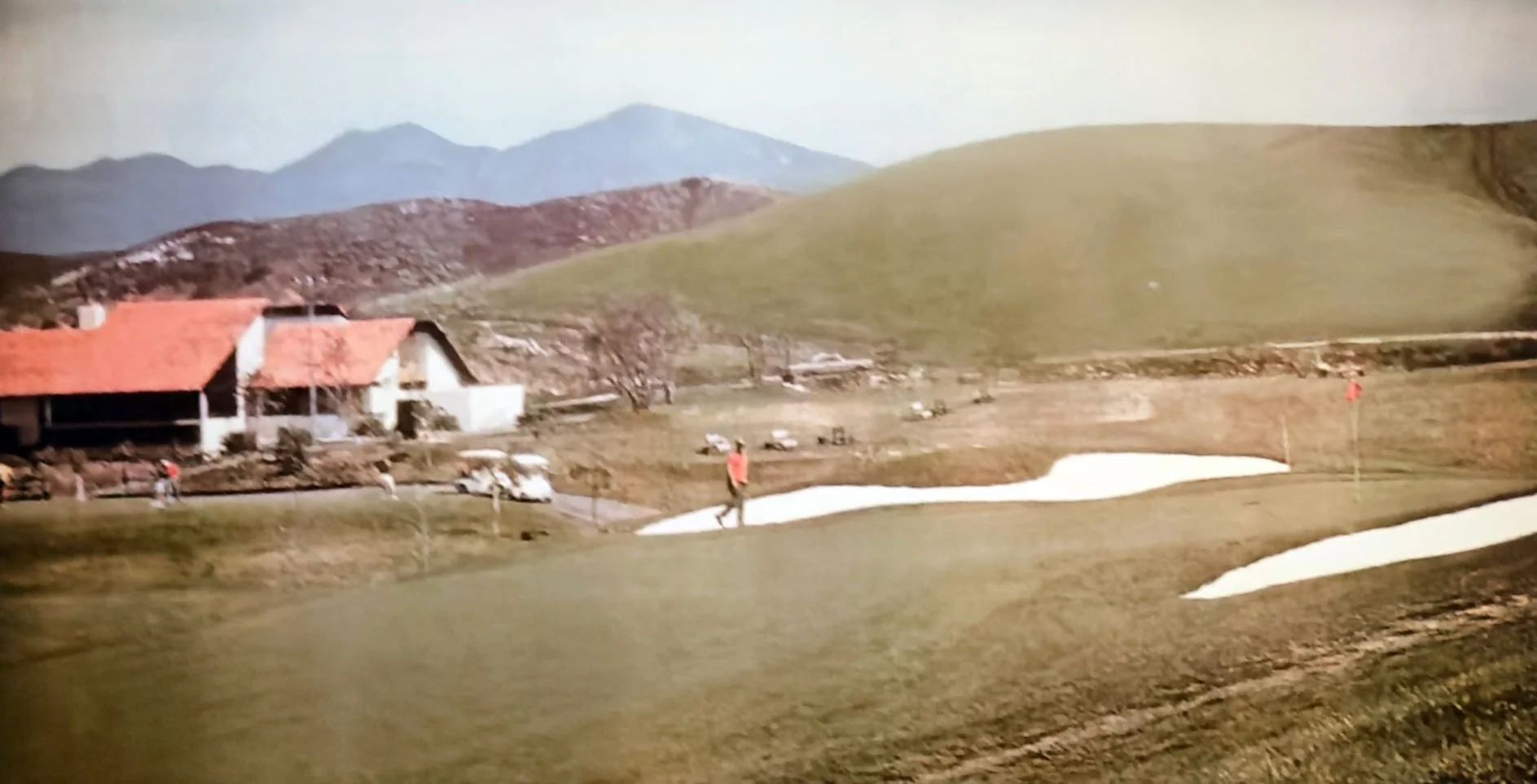
1967 Original 18th Hole Mission Viejo Golf Club and Inn
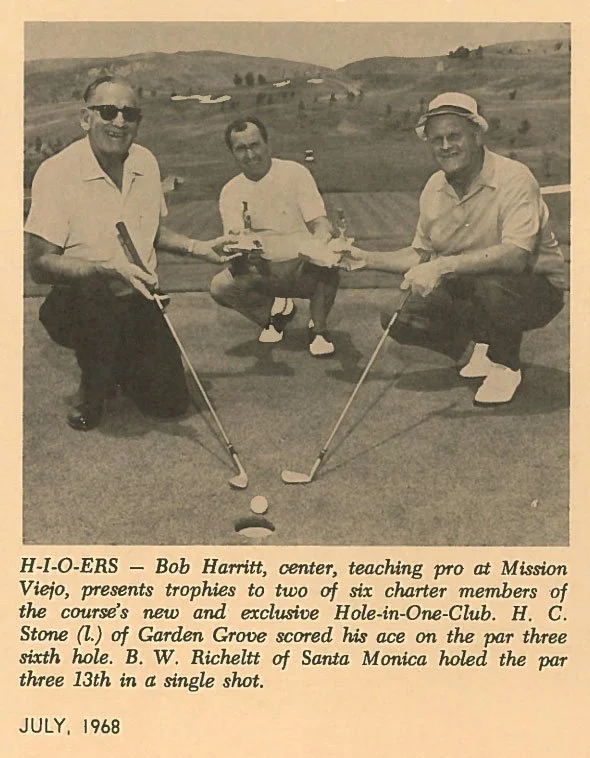
1968 'Hole-in-One Club' Charter Members
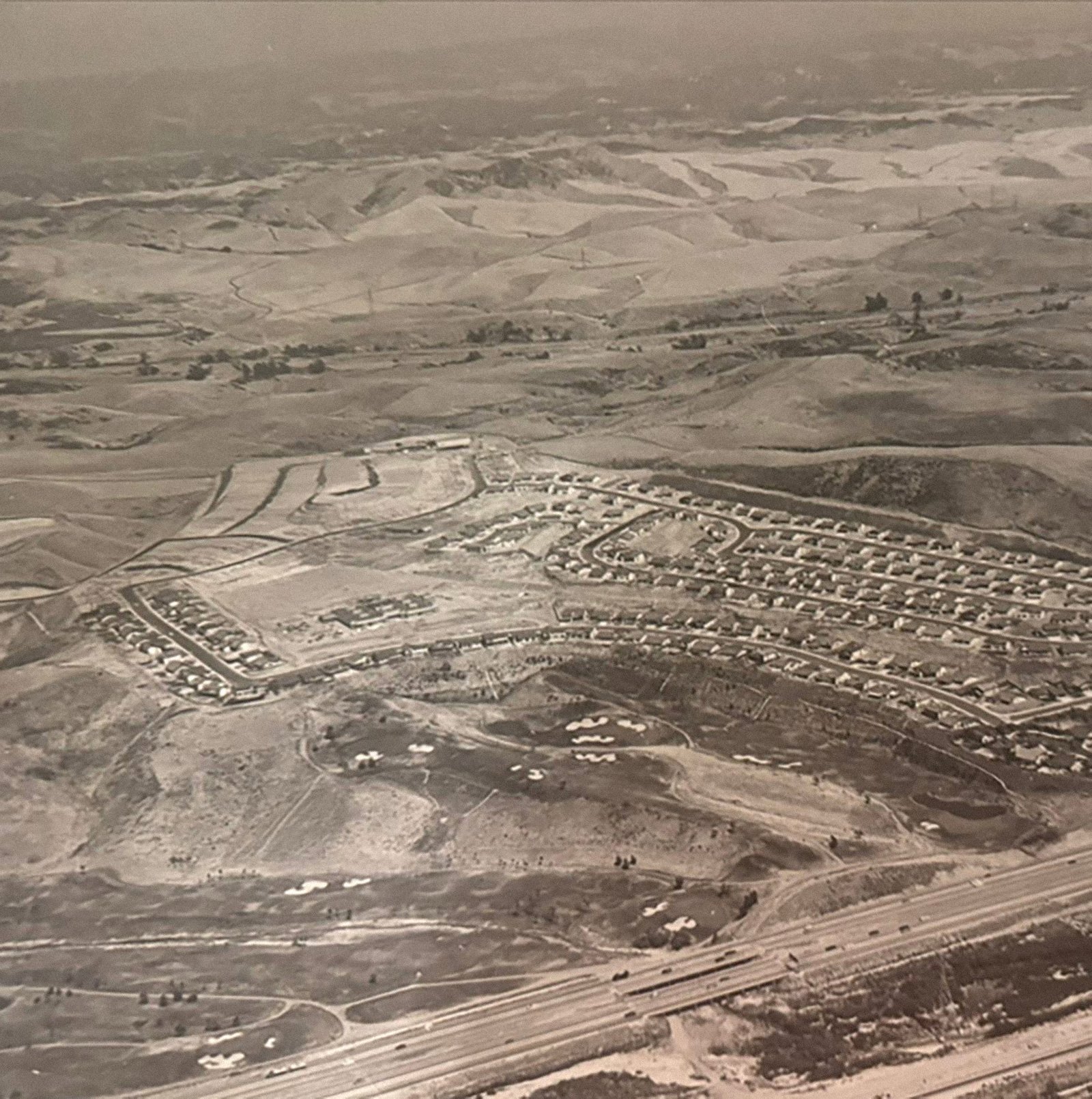
1969 Aerial view of Mission Golf Club and surrounding area
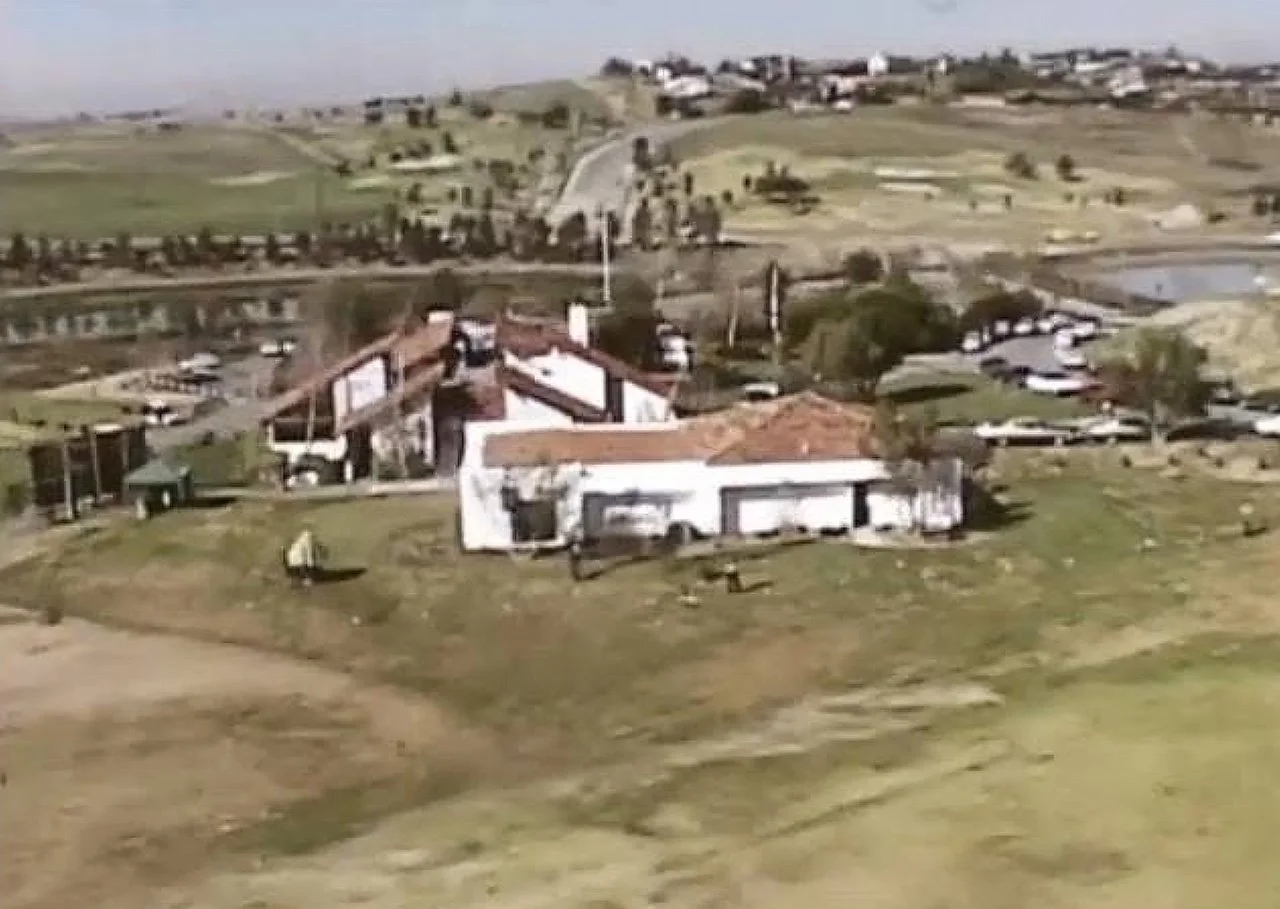
1969 - Clubhouse and Inn
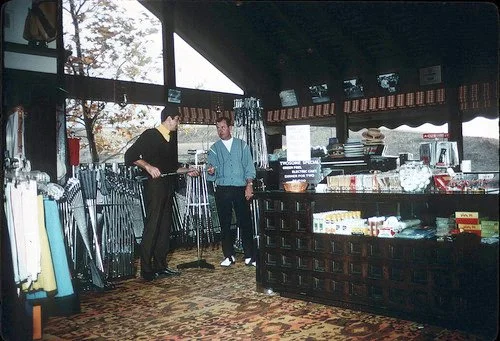
1969 Pro Shop
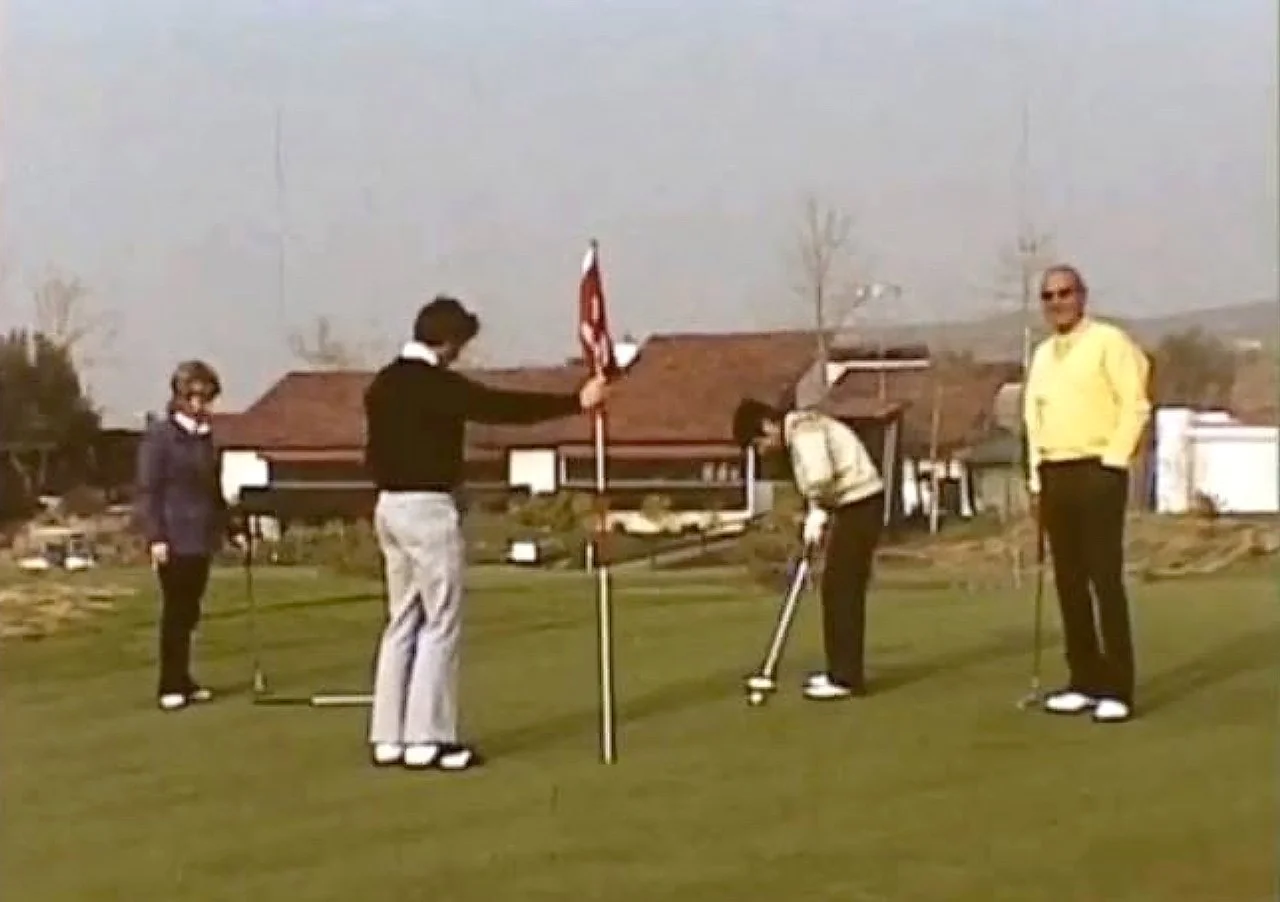
1969 - hole nine
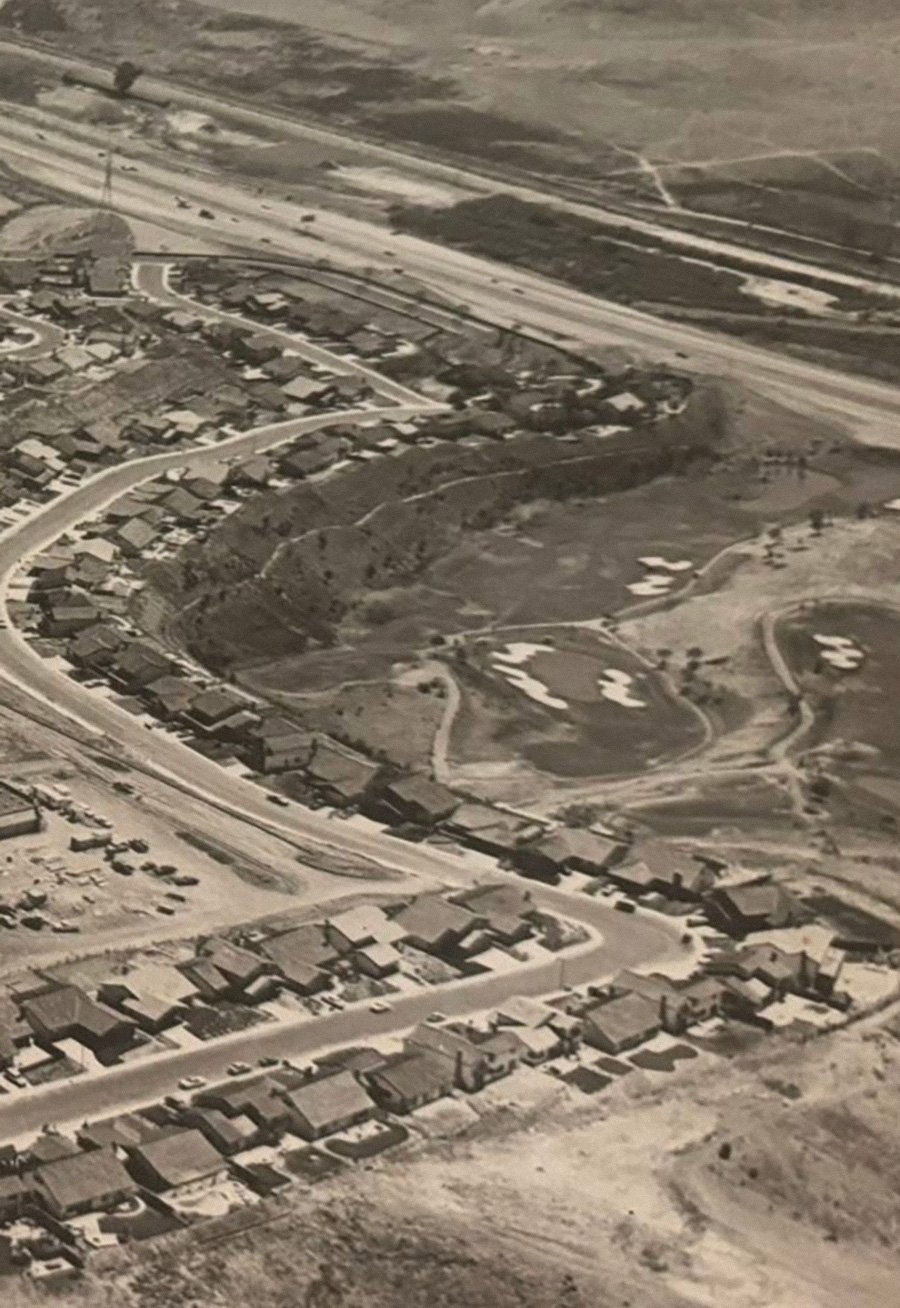
1970 Aerial view of holes 6 and 7
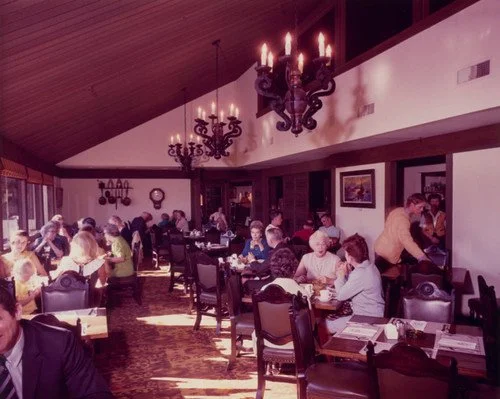
1970s Clubhouse
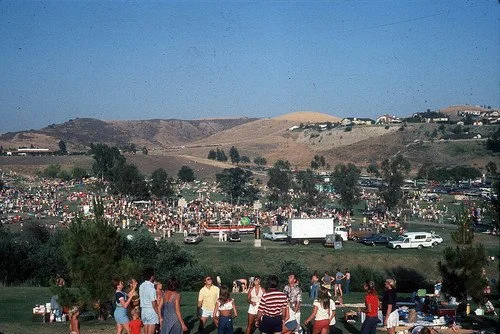
1976 4th of July on current back nine
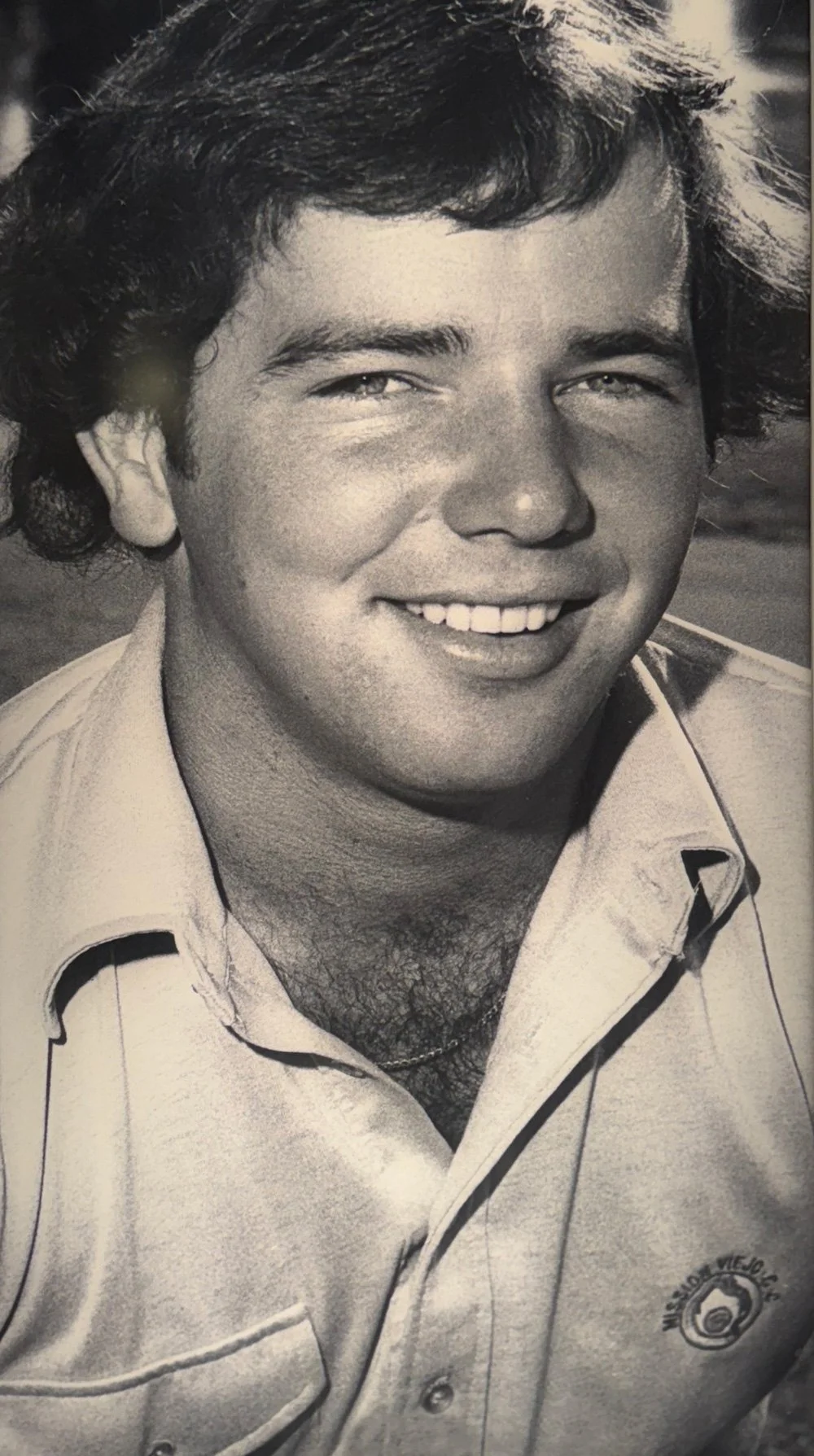
1978 Mark O'Meara MV Legend
MVCC TIMELINE
-
Robert Trent Jones Sr. finalizes his plans for Mission Viejo Golf Course, laid out on the rolling hills on a Spanish land grant immediately adjacent to the newly expanded Interstate 5 freeway.
-
After much anticipation the Mission Viejo Golf Club and Inn opens in April 1967, to rave reviews. Very soon after RTJ’s latest track was coined ‘Mission Impossible’
-
The golf course hosted many golf tournaments and was used by the city of Mission Viejo for various events most notably its infamous 4th of July Celebration.
-
Golf Hall of Famer and all-time MVCC legend Mark O’Meara honed his skills playing here on his way to a prolific career.
-
In December, 1981 Alice and Richard O’Neill signed over the land deeds transferring ownership to the Mission Viejo Country Club Founding Members.
-
MVCC provided caddies for members until it proved to slow play down too much
-
The RTJ master restoration plan is approved by the board. RTJ II and Bruce Charlton head the restorations.
-
MVCC’s 19th hole is finally completed and named in honor of PGA Hall of Famer and the local Mission Viejo legend.
-
Its architecture reflects an old-world, Andalusian style with arches, terraces, and Mediterranean influence.
-
MVCC is restored to original specifications by RTJ’s eldest son Robert Trent Jones II
-
The club invests and begins work on a state-of-the-art irrigation and recycling system that saves an estimated 10 million gallons annually, and with expanded lake size on hole 3, reserves enough water in case of drought.
-
The Robert Trent Jones Sr. Orange County Historical Foundation is officially formed - kicked off with its first annual RTJ Pro Am tournament and benefit auction.